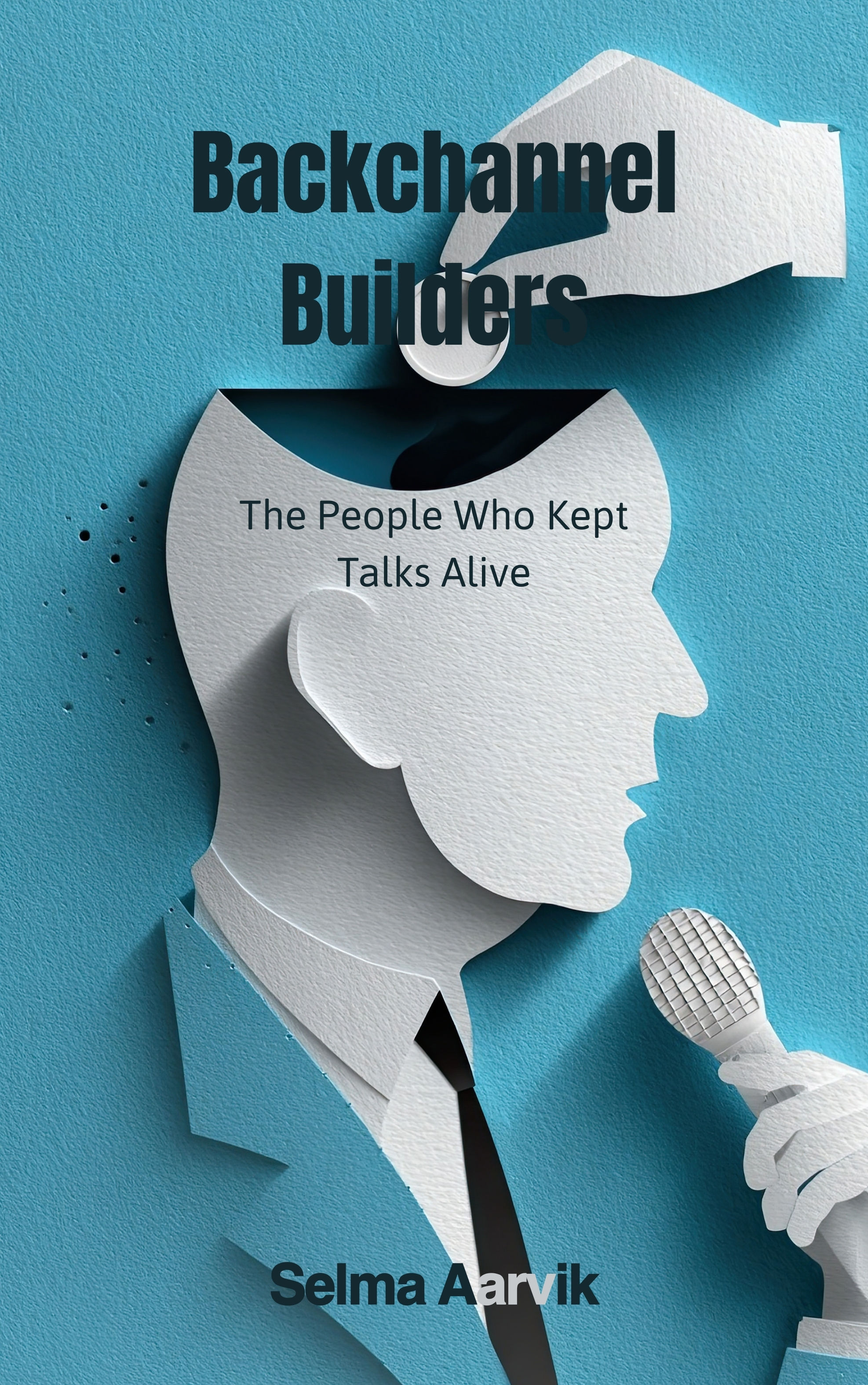
Most accounts of negotiations focus on presidents, prime ministers, and a single dramatic handshake. They rarely ask who carried the messages, softened the insults, or rewrote the clauses that made that handshake possible. This book steps into that gap, tracing the world of backchannel diplomacy and the people who quietly keep talks alive.
Drawing on vivid peace negotiation case studies, it follows interpreters, shuttle envoys, legal drafters, and community intermediaries who turn deadlock into movement. Readers interested in international relations diplomacy and political intermediaries and envoys will find clear, story-rich explanations of how real deals are shaped away from podiums and press releases. The book shows how conflict resolution backchannels, women peacebuilders stories, and track two diplomacy work together to test ideas, build trust, and contain spoilers before anything is announced.
Designed for students, practitioners, journalists, and engaged citizens, it offers a grounded guide to secret negotiation history and interpreters in diplomacy without romanticising secrecy or offering quick fixes. By the end, readers will see how sanctions and peace deals are linked to a dense web of human judgment, ethical tension, and practical improvisation and why understanding those hidden choices is essential to reading today’s crises with a clearer, more informed eye.
Backchannel Builders
SKU: 9789376553006
$22.99 Regular Price
$18.50Sale Price