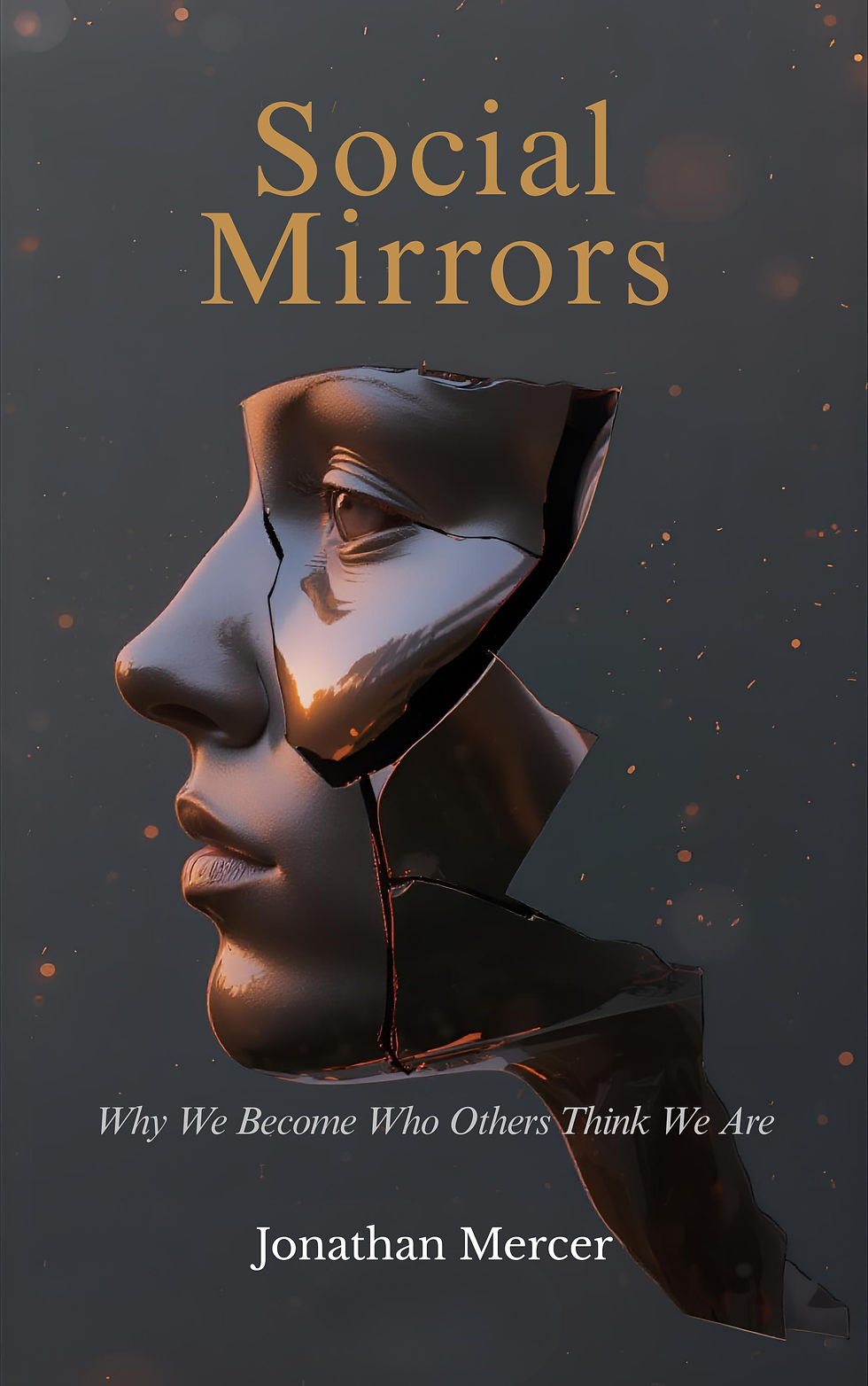
You don’t change by wishing—you change by proving. This book shows how to redesign self-concept using a simple loop: claim, commit, and accumulate persuasive evidence until belief follows behaviour. It replaces motivational fluff with a rigorous, testable method for identity change, grounded in psychology and practice. If you’re serious about moving beyond hacks and streaks to earn a credible new self, this is your playbook.
- Learn how self concept functions as a prediction model—and how to edit it without self-deception
- Turn aspirations into stakes, proofs, and public artefacts that reprogram your self with clarity
- Build identity based habits that are hard to fake, easy to repeat, and compounding in credibility
- Use behavioural reinforcement without becoming reward-dependent, and make affirmations that work by tying them to evidence
- Recraft your story through narrative identity techniques that align desire, action, and social mirrors
- Install systems that build self discipline reliably, then scale them with a 30-day identity sprint
For thoughtful readers who want precision over platitudes—founders, professionals, makers, and students who care about long arcs—this book offers a pragmatic answer to a perennial question: how do I become the kind of person who does the work? You’ll leave with a working model and daily practices that quietly upgrade your identity, one proof at a time.
The Identity Upgrade
SKU: 9789374124819
$19.99 Regular Price
$16.48Sale Price