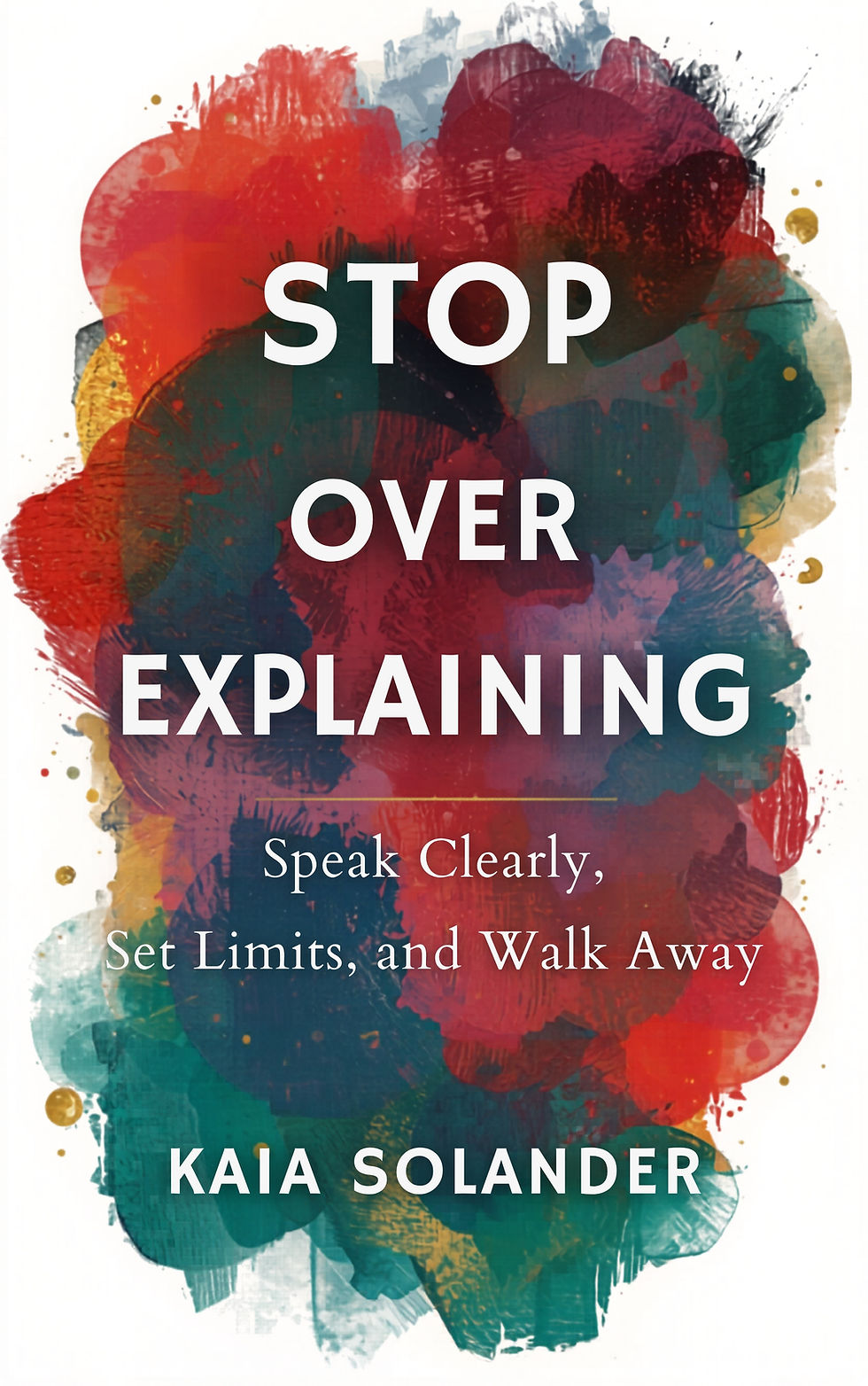
When the economy falters, most people react with fear—cutting back, freezing up, and hoping to outlast the storm. But downturns don’t just take things away; they reveal new paths for those who know how to think differently. This book offers a fresh blueprint for building resilience during economic downturns, showing how ordinary people can protect themselves, stay calm, and even find opportunity when everything seems uncertain.
Instead of focusing only on numbers in a bank account, it reveals why true stability comes from mindset, adaptability, and small but strategic actions that compound over time. Through real-world examples, practical frameworks, and reflection tools, it helps you:
- Create diversify income streams with side hustles and skill-building that act as shock absorbers
- Strengthen family financial stability by redesigning household roles and conversations about money
- Apply risk management for individuals that reduces fragility and increases optionality
- Cultivate emotional resilience and money habits that prevent fear-driven mistakes
- Recognize undervalued opportunities and thrive in places others overlook
This isn’t theory—it’s a step-by-step approach grounded in history, psychology, and decision science, designed for workers, families, and entrepreneurs alike. Whether you’re worried about job security, navigating a shrinking paycheck, or trying to make smart moves in uncertain times, the tools here turn anxiety into clarity.
By the final page, you’ll hold a clear mental model for thriving in tough economies: one that goes beyond survival to help you design a life less dependent on forecasts and more rooted in calm, confidence, and choice. For anyone asking how to truly become recession proof in personal finance, this book delivers both the mindset and the moves that matter.
The Resilience Mindset
SKU: 9789371773768
$26.99 Regular Price
$20.60Sale Price