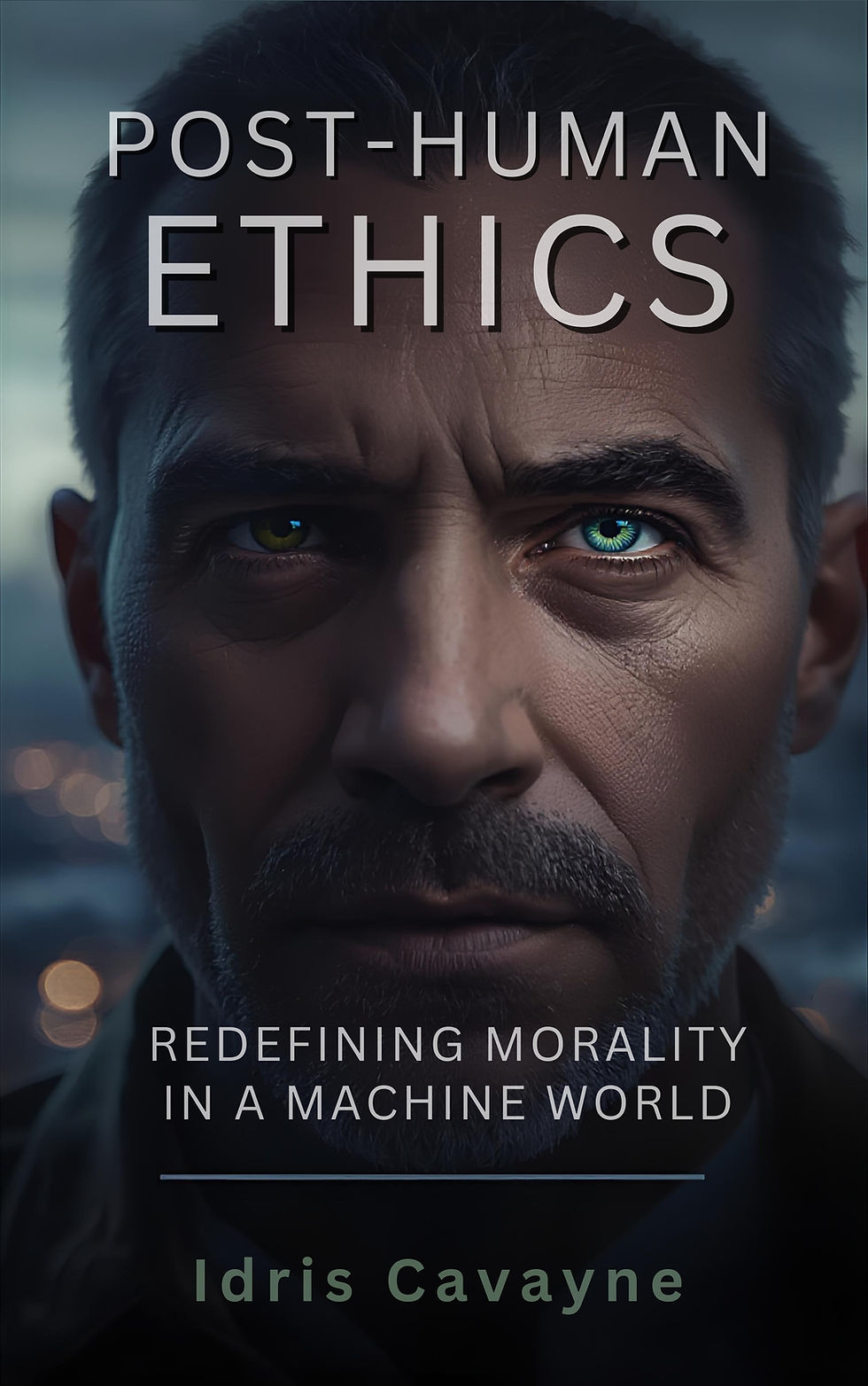
Machines now talk, plan, and surprise us. But do they feel anything at all? This book is a clear guide through the fog, giving you the tools to tell the difference between clever imitation and genuine understanding.
You will learn how brains integrate signals, how models represent the world, and why definitions of consciousness change what we think we have built. It explains classic and modern tests, from the turing test to interpretability probes and consciousness tests, and shows where claims can go wrong. For engineers, researchers, policy makers, and curious readers, it offers a practical way to evaluate announcements without falling for hype. Along the way, it grounds abstract ideas in concrete examples from neural networks, embodied agents, and clinical scales in cognitive science and cognitive modeling.
If you care about ai ethics, rights, and responsible design, this is your map. You will finish with a disciplined checklist for judging machine consciousness, a sharper grasp of the computational mind, and a language to discuss artificial empathy without confusion. Clear, balanced, and humane, it equips you to think well about thinking machines.
Coding Consciousness
SKU: 9789374594209
$23.99 Regular Price
$18.94Sale Price