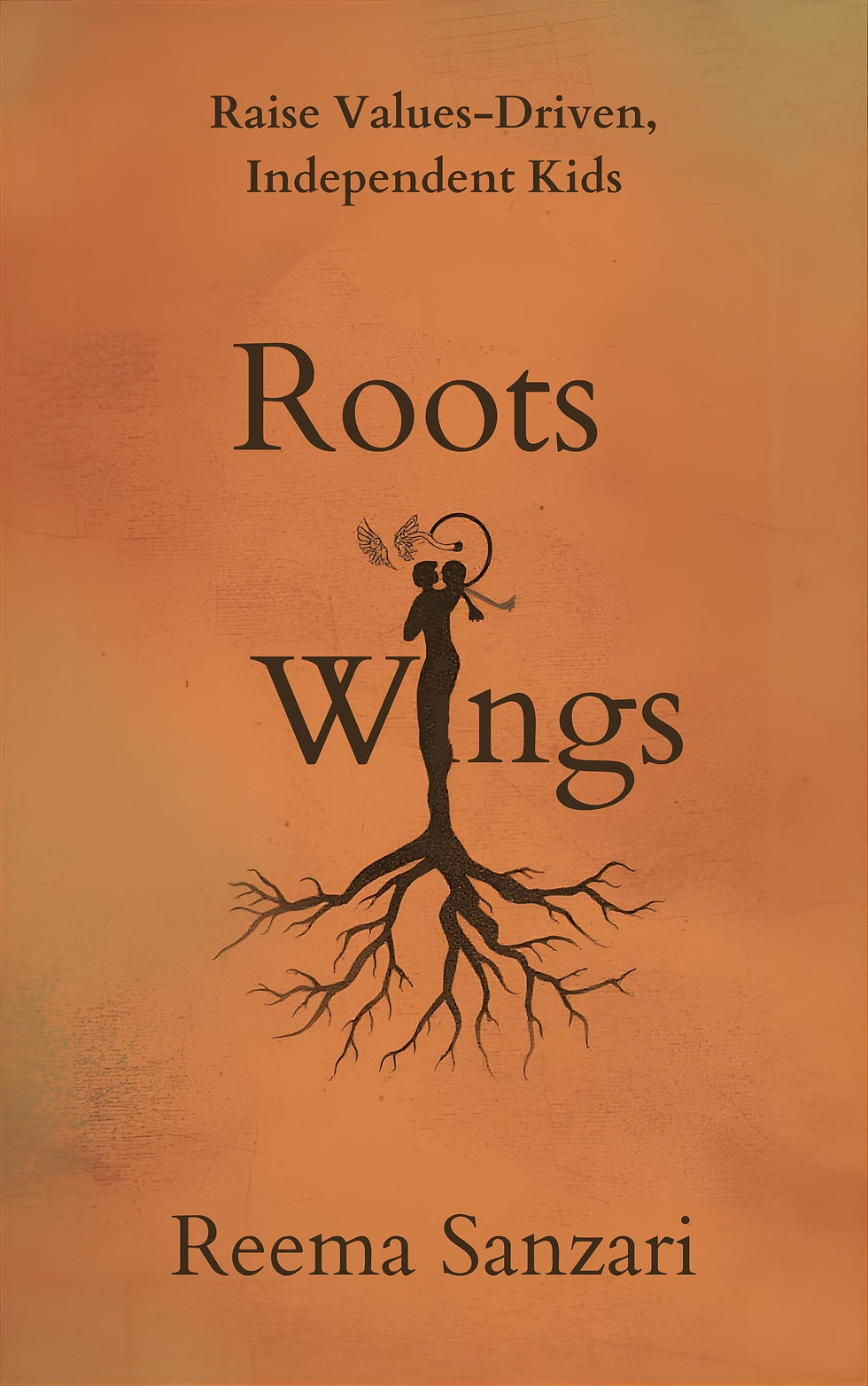
Some children fold neatly into every routine; others ricochet off the same rules as if they were made of rubber. If you have ever wondered how one set of parents can raise two utterly different humans, this book is written with you in mind. It argues that the missing piece is not more willpower, but a clearer reading of temperament.
Instead of pushing you towards one more rigid method, it shows you how to build temperament based parenting that starts with who your child already is. You will learn to map child temperament across energy, sensitivity, and pace, and then match discipline, routines, and family agreements to that pattern. The focus is on peaceful discipline that still holds firm limits, using scripts and checklists that help you stay calm when tempers spike.
For parents of intense, shy, or strong willed child types, there are practical tools for sensitive child parenting and parenting anxious child moments, without shaming you for past mistakes. Co-parents and wider carers will find guidance on co parenting communication, so that adults can disagree without turning children into messengers or referees. Whether you are new to family life or already years in, this guide helps you design family routines that respect everyone’s nervous system. The result is a more positive parenting book in practice: less conflict, more trust, and a home where each child’s temperament is not battled, but understood.
The Adaptive Parent
SKU: 9789375360674
$23.99 Regular Price
$18.94Sale Price