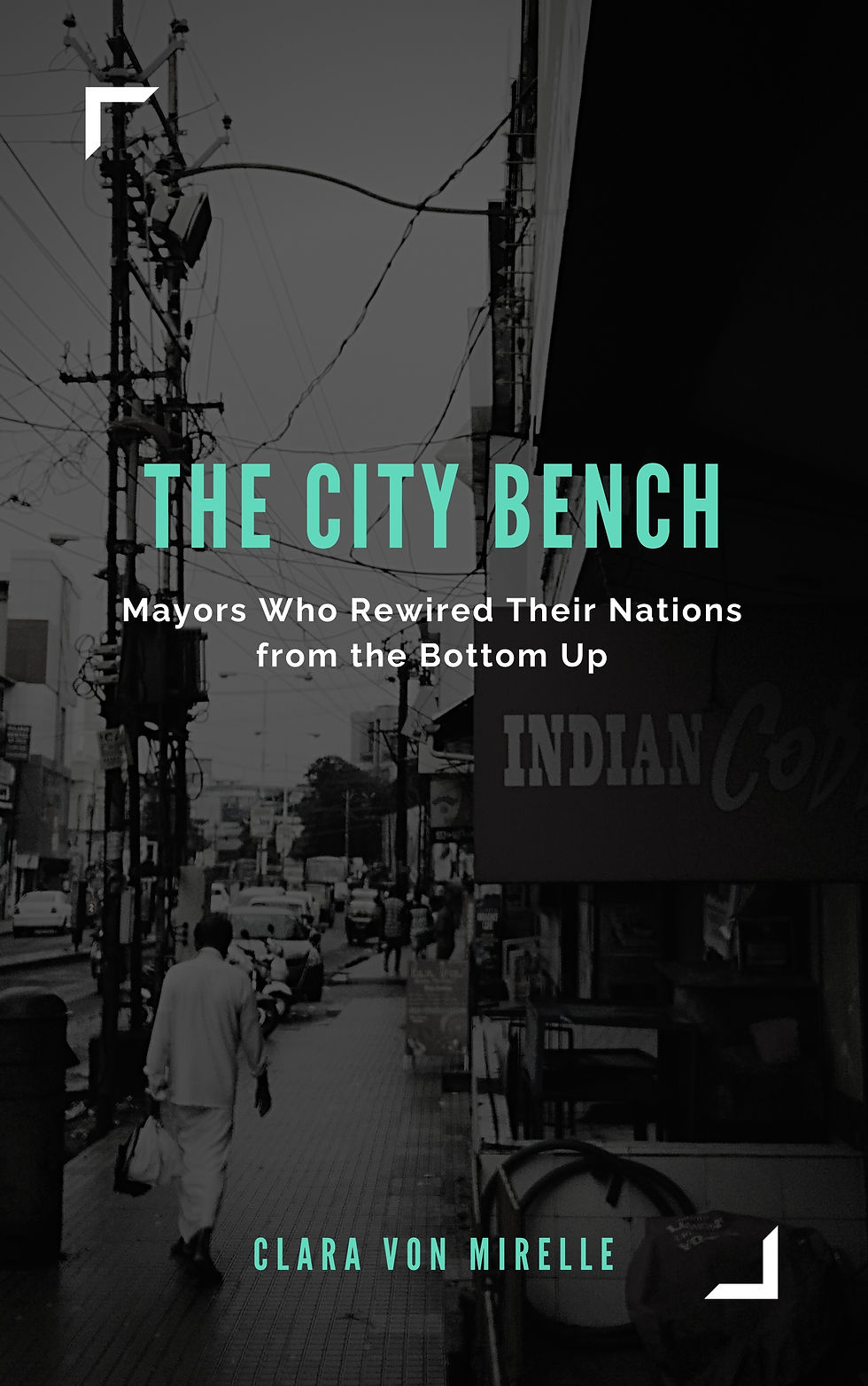
Most citizens say they want cooperation, yet elections often reward those who shout loudest at their opponents. This book steps inside the rooms where rivals choose to govern together, showing how fragile coalitions are built, tested, and sometimes broken. It follows real politicians as they trade purity for progress, facing fury from their own base while trying to deliver concrete results.
Through vivid portraits of coalition builders, readers see how coalition government leadership actually works: the vote counting, the late night bargaining, the painstaking parliamentary deal making. The stories explore cross party politics, governing across aisle, and the personal toll on centrist politicians case studies who accept risky roles in order to keep institutions functioning. Rather than glorifying compromise, the book shows its costs as well as its gains.
This is for readers who care about democracy but are exhausted by permanent campaigning. It offers a grounded view of pragmatic political leadership, explaining how coalitions work in practice and what distinguishes serious bridge builders from cynical deal makers. Along the way, it highlights lessons for moderate voter strategy and democratic coalition building, giving citizens a sharper eye for grown-up leadership and clearer standards for holding their representatives to account.
The Bridge Cabinet
SKU: 9789376551095
$28.99 Regular Price
$21.85Sale Price